I'm the designer and researcher hiring managers bring in when execution actually matters
I'm typically hired as the first designer when organisations realise they need versatility, not specialisation. Whether it's establishing research practice from scratch at NatWest, shipping design in 4 weeks at Meta, or rescuing failing projects with hands-on UI work, I've spent 15 years proving that mastering the full UX spectrum (research, interaction design, and visual UI) delivers better products faster.
Why Read This About Me?
Most UX designers can talk strategy. Few can ship it.
Over the past 15 years, I've worked across the full breadth of UX, from foundational research and strategy through to interaction design and hands-on UI delivery. This range allows me to adapt quickly to what a product truly needs, whether that's setting direction, unblocking teams, or shipping high-quality work at pace. It's an approach shaped by experience across large organisations and fast-moving teams, and one that consistently leads to clearer decisions and better outcomes..
This page answers the questions hiring managers always ask: how I got here, what makes me different, and whether I can actually deliver on your timeline.
What's In This Page
How I Got Here
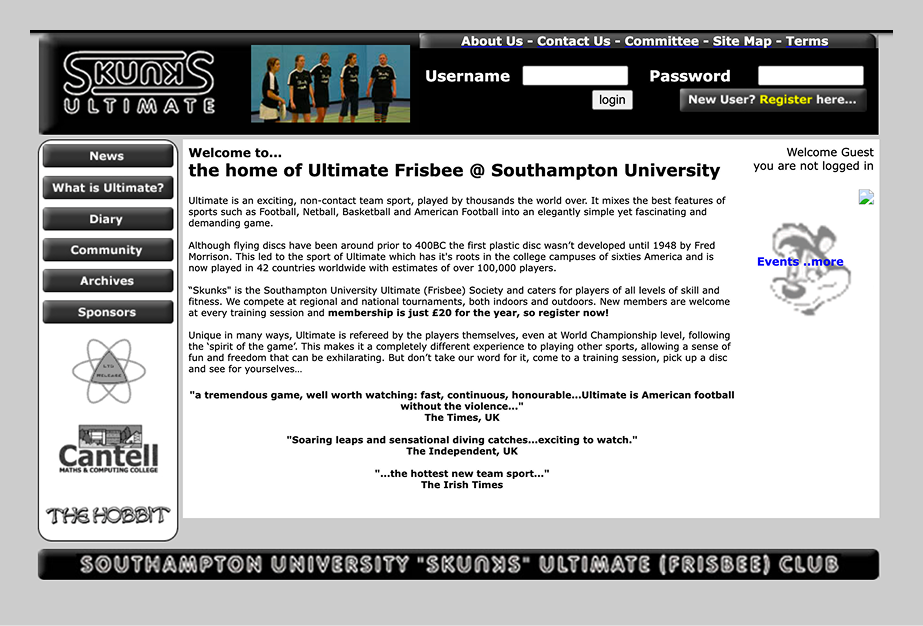
From Ultimate Frisbee Websites to Enterprise UX
I discovered UX by accident in 2007. Whilst studying Computer Science at Southampton University, I got unusually interested in a Human-Computer Interaction module where we had to design a "phone for the home." Everyone else was bored. I couldn't stop thinking about it.
Here's what nobody tells you about getting into UX: I graduated with no clear plan, working retail at Next whilst frantically applying for anything involving "user experience." I'd already built a fully functional website for Southampton's Ultimate Frisbee team, complete with tournament management, event sign-ups, and a proper database, but didn't think to lead with that in interviews.
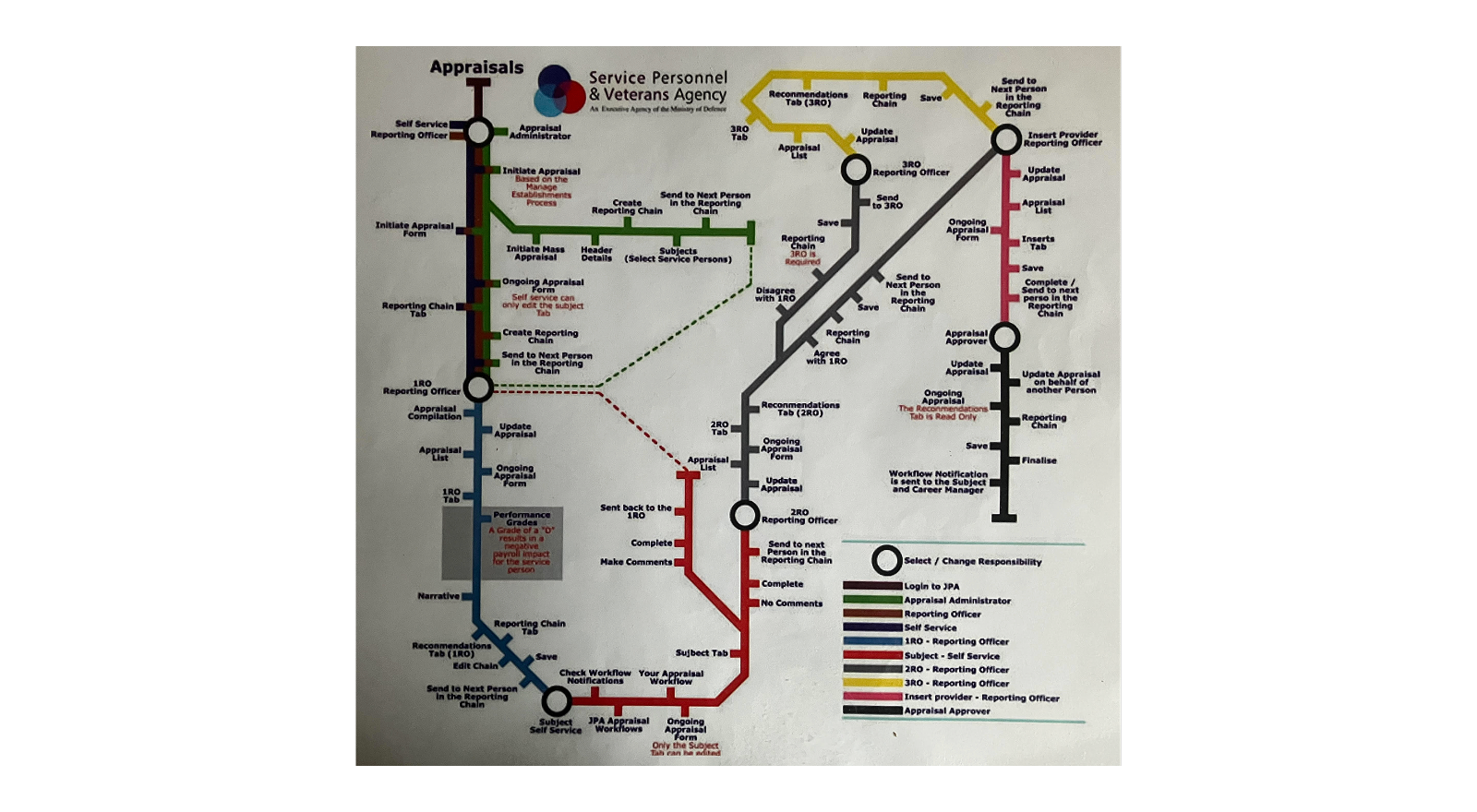
My break came from an unexpected place: working on the MOD payroll system (yes, as boring as it sounds). I spent two years turning incomprehensible HR processes into colourful London Underground-style maps because I couldn't understand the flows otherwise.
Those maps landed me my first real UX role at Nectar Card. The interviewer couldn't believe I'd been told I "wasn't creative" when I'd literally been visualising complex systems creatively.
The Education That Actually Mattered
After the MOD job, I invested in a Master's degree at City University, not for the credential, but for the structure. The coursework taught me frameworks I still use today. The internship at Westminster Council gave me my first proper research project. Managing City University's lab taught me how to actually run research operations.
That combination (practical lab management plus real research experience) got me hired at Amberlight Partners, a user testing agency. They gave me world-class training in conducting research. Fifteen years later, I'm still using the same methodologies they taught me.
The path wasn't linear: Amberlight made redundancies (last in, first out), then I joined Pixel Group but didn't pass probation. Each setback taught me what I actually needed to succeed.
Nectar Card: Trial by Fire
Landing at Nectar Card as the sole UX designer for 15 million cardholders was baptism by fire. Website, mobile apps, browser toolbars; everything. The organisation was "UX immature," which meant I had to take them on the journey from scratch.
This shaped my entire approach: You can't have UX designers running amok. You need business representation, clear briefs, and constant stakeholder engagement. I learnt to handle difficult conversations, deal with sceptical stakeholders, and ship under pressure.
It's also where I learnt responsive design wasn't just about CSS media queries. It was about fundamentally rethinking mobile experiences. We were doing proper responsive design in 2011-2012, before it was standard practice.
What Made Me Different
Working across NatWest, Santander, Nationwide, Meta, and government projects taught me something critical: design problems in different industries are surprisingly similar. Designing a 3D bathroom visualiser uses the same mental model as designing a credit card application form. Both involve progressive disclosure and helping users navigate limited options.
My agency background meant I could move fast. When Meta asked me to deliver user research from brief to final presentation in four weeks, I could do it. When NatWest needed their research practice resurrected, I knew how to build it.
My Design Philosophy
Research Without Execution Is Just Expensive Conversation
Here's my controversial take: You can't leave UX designers alone to "do their thing." The best work happens when designers have a proper brief, business representation, and clear constraints. Not because designers aren't creative, but because creativity without business alignment is just art.
I need a business analyst or product owner who's representing real business problems. They want to achieve something; I humanise it and understand what's really going on. That's where the magic happens.
- Test and validate: Research isn't optional. You always get valuable insights.
- But be practical: Everyone wants stuff done now. Do the best research you can within constraints.
- No UX theatre: Workshops with post-it notes are great if they lead to actions. Otherwise they're performance art.
- Show your working: I keep notes, iterations, and messy thinking visible. It's like showing working in GCSE maths. The journey matters.
- Individual contributor approach: I'd rather go off, make stuff, and come back for critique than sit in endless meetings discussing theory.
What I Disagree With
"Product Designer" as a catch-all title bothers me. If you genuinely need specialist UI and visual design, hire a UI designer. The thinking is fundamentally different from UX. I've spent 15 years learning the full stack (research, UX, UI, and front-end development) but pretending they're all the same skill does everyone a disservice.
UX designers should be able to build things. Controversial opinion: if you're supposedly an expert in web and app design but couldn't build a decent WordPress site if your life depended on it, there's a gap in your expertise.
AI adoption is non-negotiable. We should all be using Claude, ChatGPT, Lovable, Bolt, and other AI tools. They're productivity multipliers and creative partners, not threats.
How I'm Different
I showcase work early and often. I'd rather get feedback on a rough draft than perfect something in isolation. This means product owners have realisations quickly, and we iterate in hours instead of weeks.
I'm an end-to-end product designer. It took me 15 years to genuinely earn that title. I can conduct research, design experiences, create polished UI, and build functional prototypes. Not because I'm trying to replace specialists, but because understanding the full stack makes me better at each part.
And I keep receipts. Portfolio examples from Westminster Council in 2010. Documentation from every project. Stories and examples to illustrate how I think. Because showing beats telling, every time.
Football Manager: UX Excellence in Gaming
Here's something that influences how I think about UX: Football Manager is one of the best-designed pieces of software I've ever used. For around £40, you get off-the-shelf software that, within minutes, lets you own and operate multi-million pound football clubs. No training course required. No manual to read. Just intuitive design that makes complex tasks feel simple.
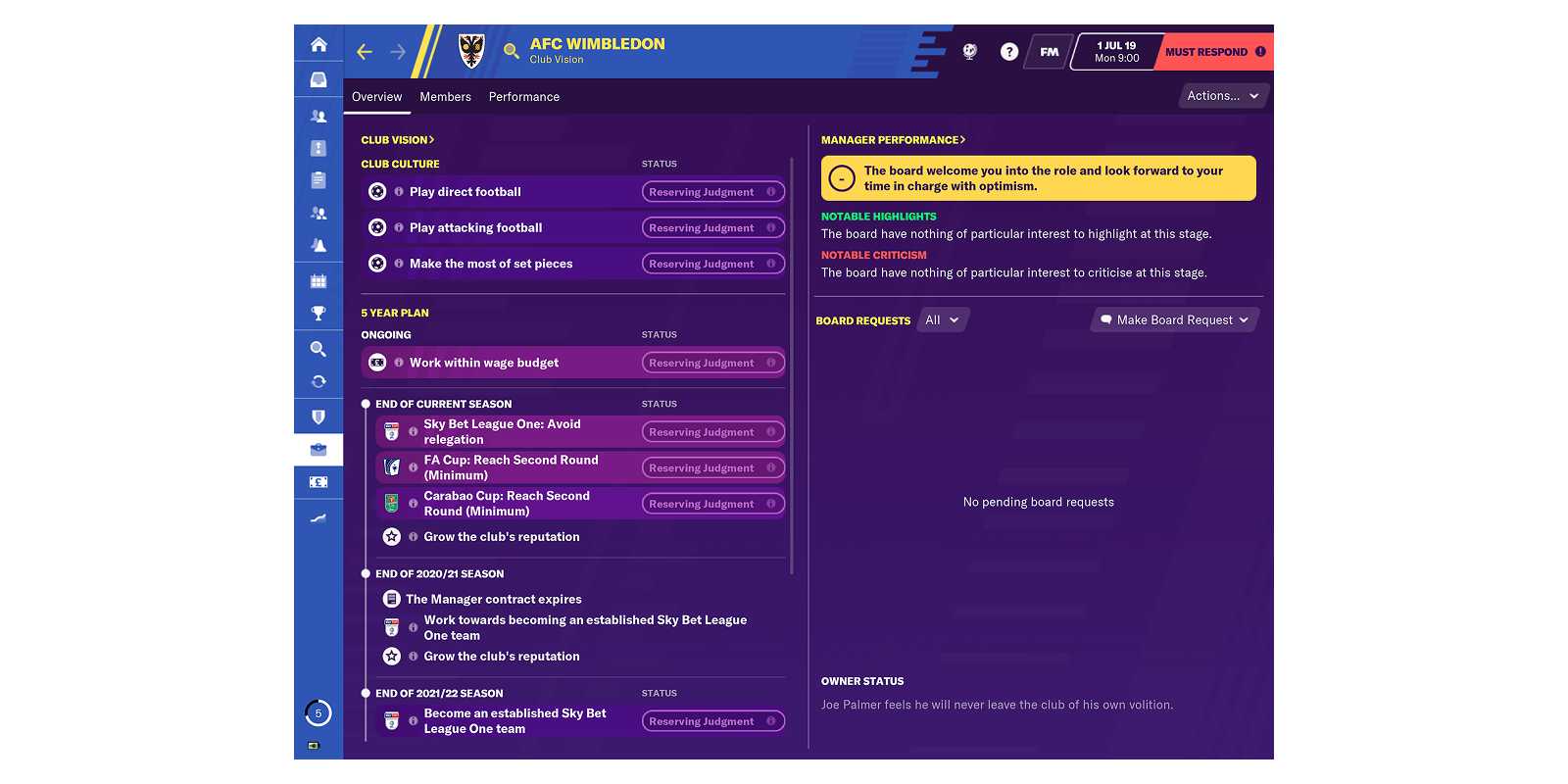
Think about what the game achieves from a UX perspective. You're managing squad rotations, transfer budgets, tactical formations, training schedules, media relations, and contract negotiations,all simultaneously. In most enterprise software, this level of complexity would require weeks of training and a 200-page manual. In Football Manager, you just... play.
This is the standard I hold enterprise UX to. If Sports Interactive can make managing a football club intuitive, why can't we make expense reporting or project management equally intuitive? The answer isn't "it's impossible",it's that we often overcomplicate things when we should be going back to basics with good, solid design.
Football Manager taught me that you don't need to reinvent the wheel. Find products with excellent UX, understand what makes them work, and apply those principles. Sometimes the best design solution is the one that's already been proven to work elsewhere.
What I'm Known For
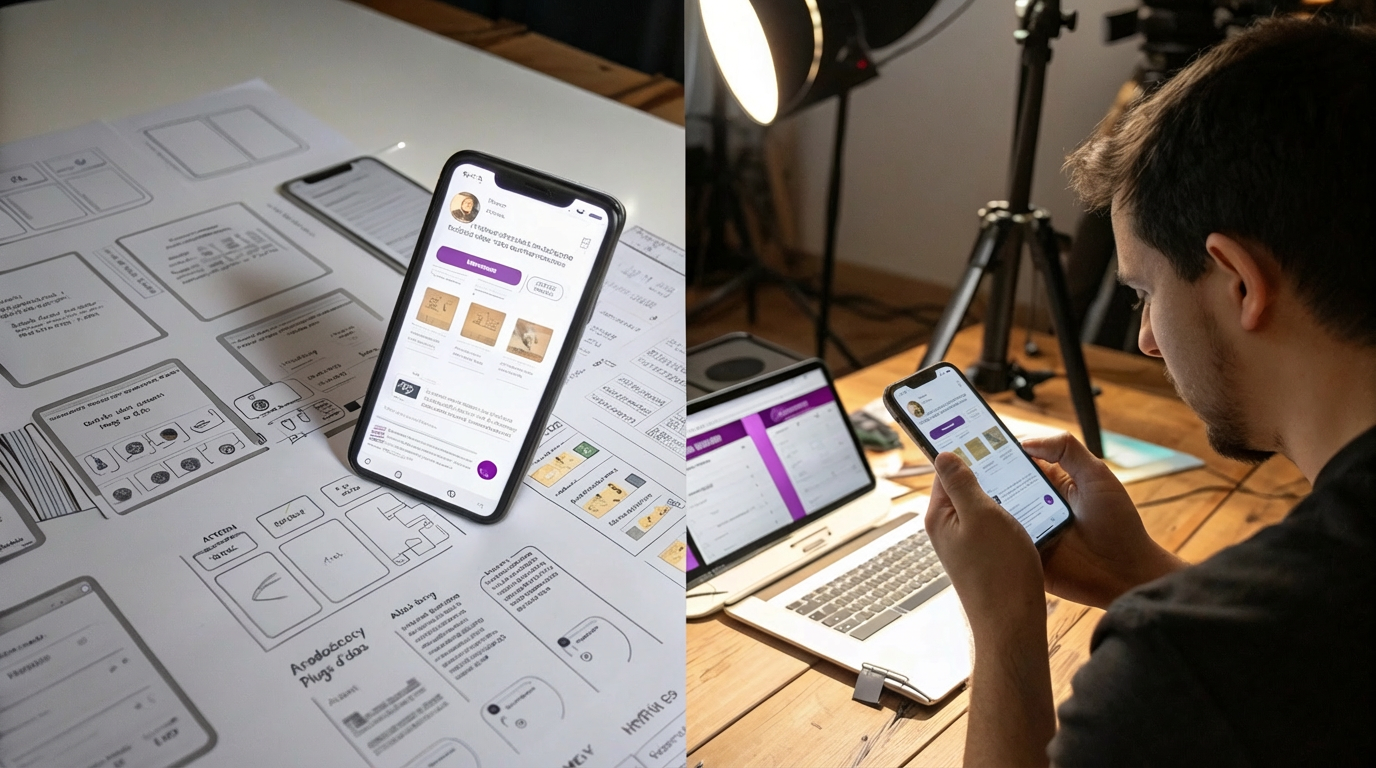
Turning Chaos Into Shipped Products
The projects I'm most proud of share one thing: they had measurable business impact, not just "improved user experience."
Nectar Card Registration Redesign
The one that defines my career: increased completion rates from 47% to 87%, generating £1.4M in additional annual revenue. We added 40,000 extra registrations per month, eliminated call centre complaints, and stopped the bleeding on social media.
See the full case study →Landlord Lifeguard Rescue
Parachuted into a failing project run by management consultants. The previous designer was building things without client input (cardinal sin). I came in, reset stakeholder relationships, and delivered the entire platform in six months. The client went from panic mode to production.
See the full case study →Meta/Facebook
The absolute pinnacle. Four-week research turnarounds from briefing to final delivery. Working at Meta's velocity taught me what "fast" actually means. That job came from running Facebook ads for a business coach, which proves that side projects matter.
See the full case study →NatWest Research Practice
Resurrected a dormant user research capability. Built the structure, trained the teams, established the processes. When organisations are UX-immature, they need someone who can build the practice, not just execute research.
See the full case study →I love end-to-end challenges. Give me a business problem, let me understand it completely, then watch me design and build the solution. Funnels and user flows are my jam right now. There's something satisfying about optimising every step of a journey.
I don't like pre-defined solutions. If the business is going down a rabbit hole, I need the authority to course-correct. Some of my worst projects were ones where we built the wrong thing because someone had already decided the answer.
The "Weekend" Projects
Snooker TV
Built Snooker TV's entire video streaming platform in a weekend with Jason Francis. Design, premium plugins, the whole thing. Sometimes the best projects are the ones where you just ship.
See the full case study →Tara Love Perry
Ran Facebook ads for Tara Love Perry; spent £400 on a Dubai event, generated £4,000 in sales. Digital marketing skills aren't separate from UX; they're part of understanding how users actually discover and engage with products.
See the full case study →About Impact Metrics
Honest truth: Not every project gives you bragging-rights metrics. Sometimes you're not in control of the key numbers. Sometimes the project is fundamentally flawed from the start (looking at you, 3D bathroom visualisers).
But when you are in a position to move the needle, you better deliver numbers that matter to the CFO. That's the difference between a decent designer and one worth hiring.
What I'm Focused On Now
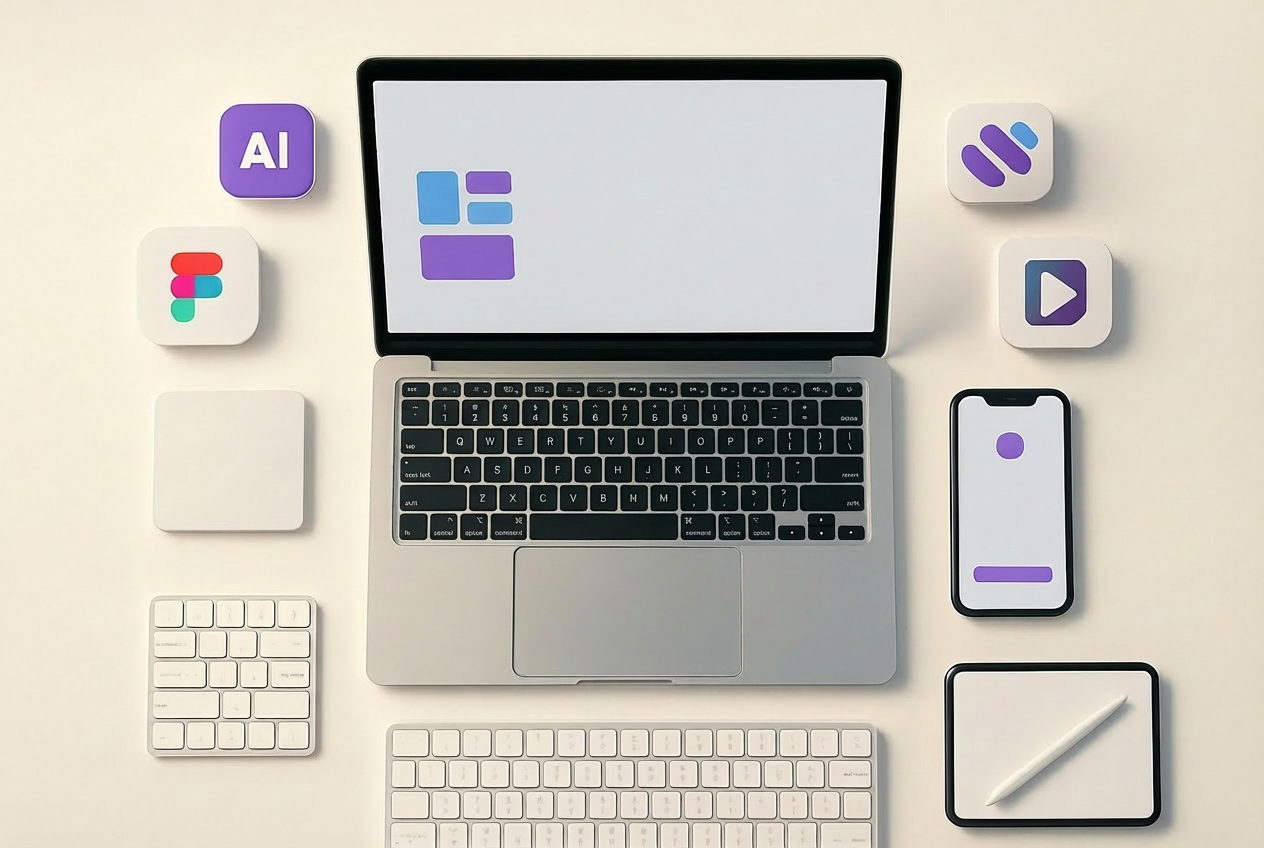
Integrating AI Into Everything
The design industry is changing fast. I'm deep into understanding how AI tools reshape our workflow: Claude for thinking partners, ChatGPT for rapid iteration, Lovable and Bolt for functional prototypes, Envato Elements for assets.
These aren't replacing designers; they're productivity multipliers. The serendipity factor alone is valuable: AI suggests approaches I wouldn't normally consider. Smart designers are embracing this, not fighting it.
Who I'm Ideal For
I thrive in organisations that:
- Need structure: You need someone to establish UX practice, not just execute wireframes
- Actually ship: You're building real products, not endless prototypes
- Have business discipline: Product owners and business analysts are part of the team
- Move fast: Meta's velocity isn't scary to you. It's the target
- Think big, ship smart: Enterprise scale but startup mentality
I'm not ideal if: You want someone to run endless workshops, you're building for the sake of building, the technology stack is fundamentally limiting, or you believe UX people should run the entire show without business input.
"I want to work at places that build stuff right and build good stuff; products that are actually useful for people."
That rules out vanity projects, tech-debt nightmares, and organisations that missed their deadline two years ago and are now building "because we started."
Industries I've Shipped In
Financial services (NatWest, Santander, Nationwide), loyalty programmes (Nectar), tech giants (Meta), government (Cabinet Office, Westminster Council), entertainment (Unibet, Snooker TV), property tech, SaaS platforms, and more.
The common thread: complex problems requiring end-to-end thinking, stakeholder management, and measurable outcomes.
Beyond The Work
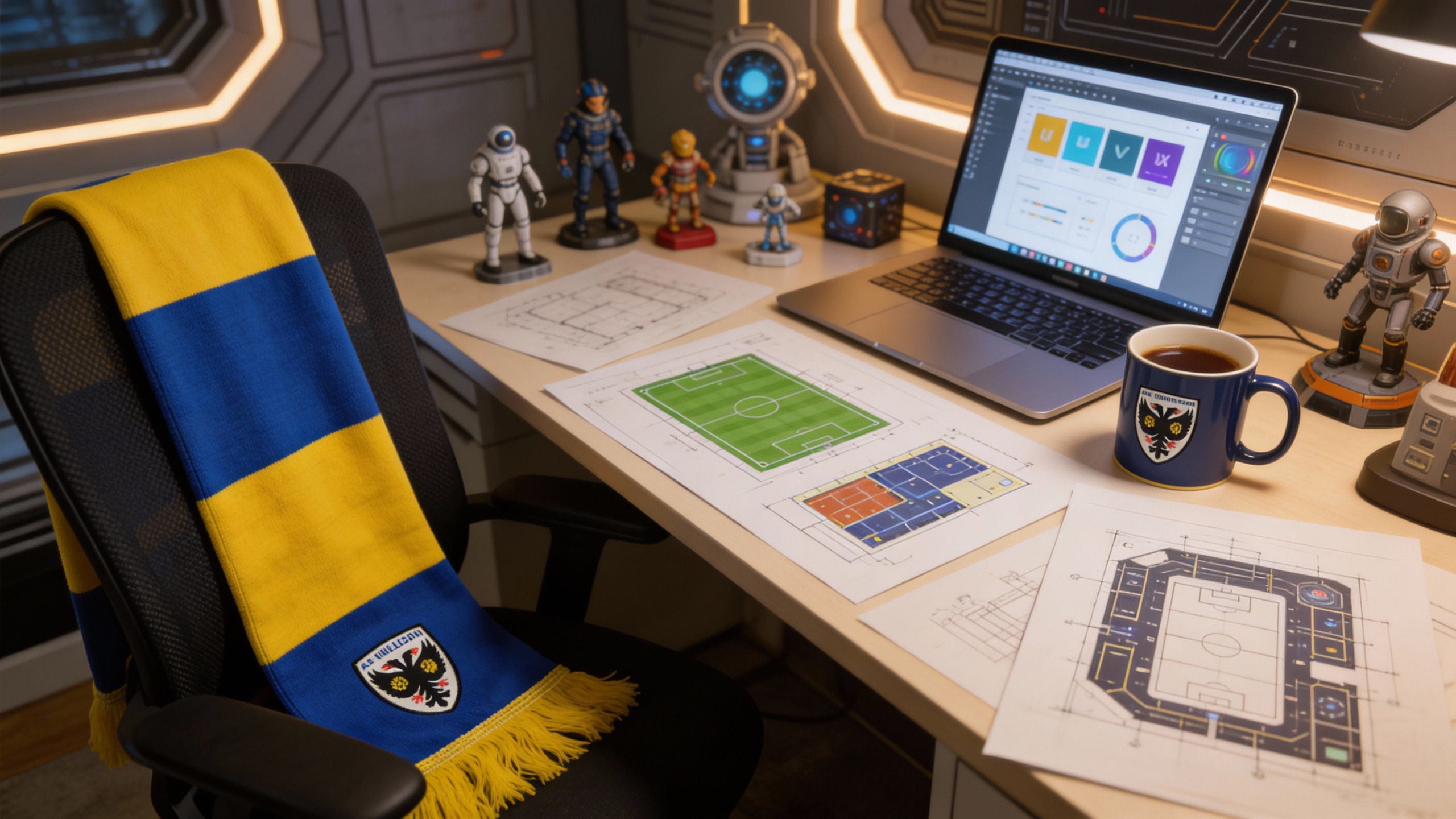
What Makes Me, Me
I see UX everywhere, even when I don't want to. Buying a train ticket? Analysing the flow. Friends complaining about an app? I'm already diagnosing the problem. My mate Sean and I recently went deep on how AFC Wimbledon's website is a confusing mess of Shopify stores, SecuTix ticketing, WordPress, and video platforms; four different login systems for one football club.
Doctor Who Archivist
I have deep knowledge of Doctor Who's archival history. If the BBC needed someone to design interfaces for Time Lords, I'm their person. (Though designing for Daleks would be challenging; they're not known for accessible design.)

AFC Wimbledon Supporter
Supporting Wimbledon teaches you about loyalty, underdog stories, and community. The club was reformed by fans in 2002 after relocation to Milton Keynes. That kind of grassroots rebuilding mirrors establishing UX practice from scratch.
How I Work
I keep everything: notes, iterations, messy thinking. Like showing working in GCSE maths, I take people on the journey of how I got to a solution. Portfolio cases back to 2010. Evidence beats claims every time.

The Unexpected Bit
If I wasn't doing UX? Ghostbuster or the next Doctor Who. Both are problem-solving jobs with adventure. I've wanted to be a Ghostbuster since I was three. The problem-solving mindset was there from the start.
I bring curiosity from outside UX. Pattern recognition from sci-fi. Loyalty from sports fandom. Documentation habits from years of showing my working. And a deep belief that good design solves real problems, not just pretty ones.
Whether you need someone to establish research practice, rescue a failing project, or ship products at Meta velocity, I've done it. The question is: are you ready to actually build something that works?